
Vienna since 1920
WITHOUT A CARE
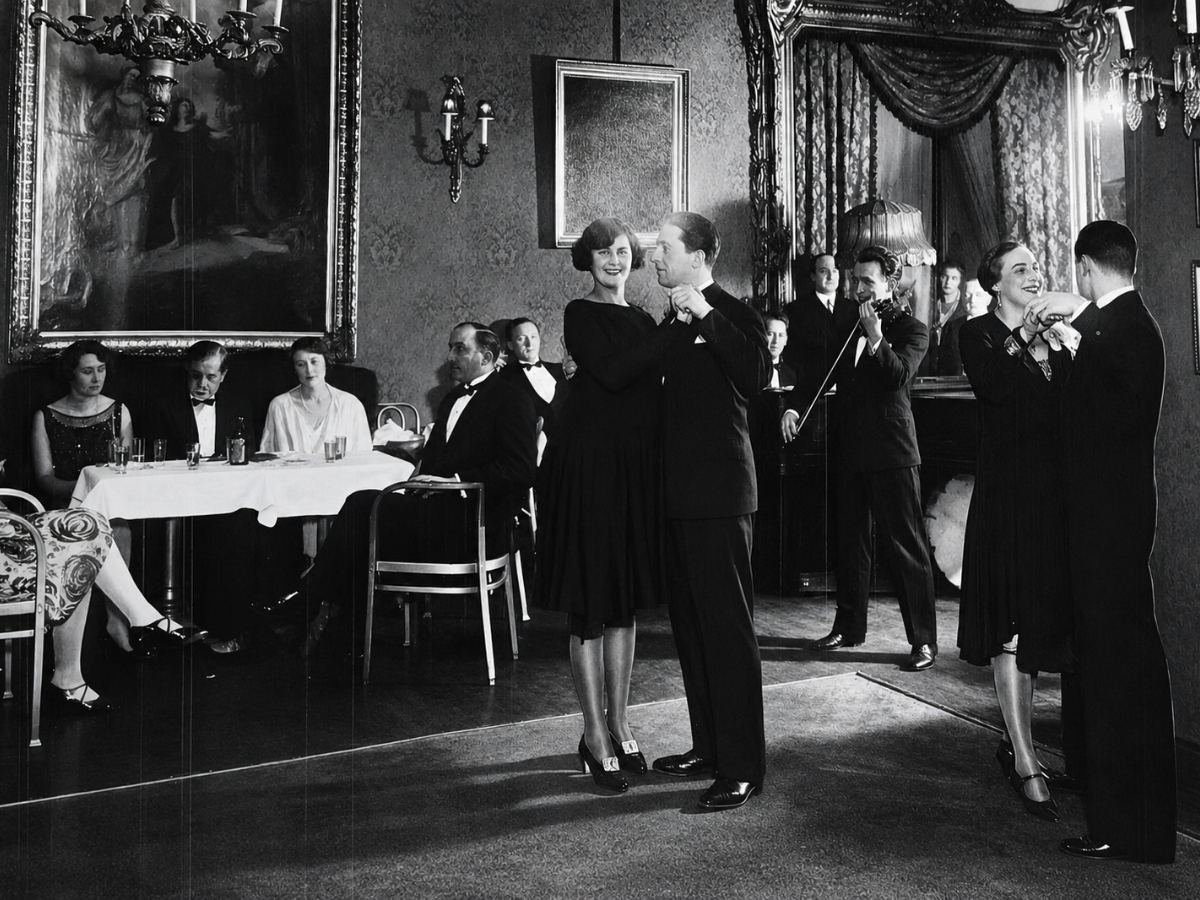
… was the café’s name when it first opened in 1920 — in French, naturally: Sans Souci, without a care. A little of that quiet self-assurance can still be felt today.
The Bräunerhof never wanted to be one of those grand Ringstrasse cafés, heavy with crystal chandeliers, stucco and wood panlling. Nor did it ever become the fashionable bohemian café with carefully mismatched vintage chairs and “third wave coffee” on the menu.
It is a classic away from the beaten paths — yet only a short distance away from them. Despite all renovations, it has no need for the kind of lavish décor that tries so hard to suggest cosiness. Why would it? To borrow from Karl Kraus: we bring the cosiness ourselves.
THE STALLBURG
… gives Stallburggasse its name. The Habsburgs once kept their stables and armoury in this part of the Hofburg; today it is home to the Lipizzaner horses. The Bräunerhof, however, has never been a place for imperial nostalgia. Here, timelessness manages perfectly well without a nod to the monarchy.
The writer Alfred Polgar lived in an apartment above the café and left us a glimpse of the building’s past. Returning in the evening from his rounds of the city’s coffee houses, he would see the bodyguard of Engelbert Dollfuss — Chancellor of Austria’s authoritarian corporative state and another resident of the building — sitting under a dim lamp, deeply absorbed in detective novels.
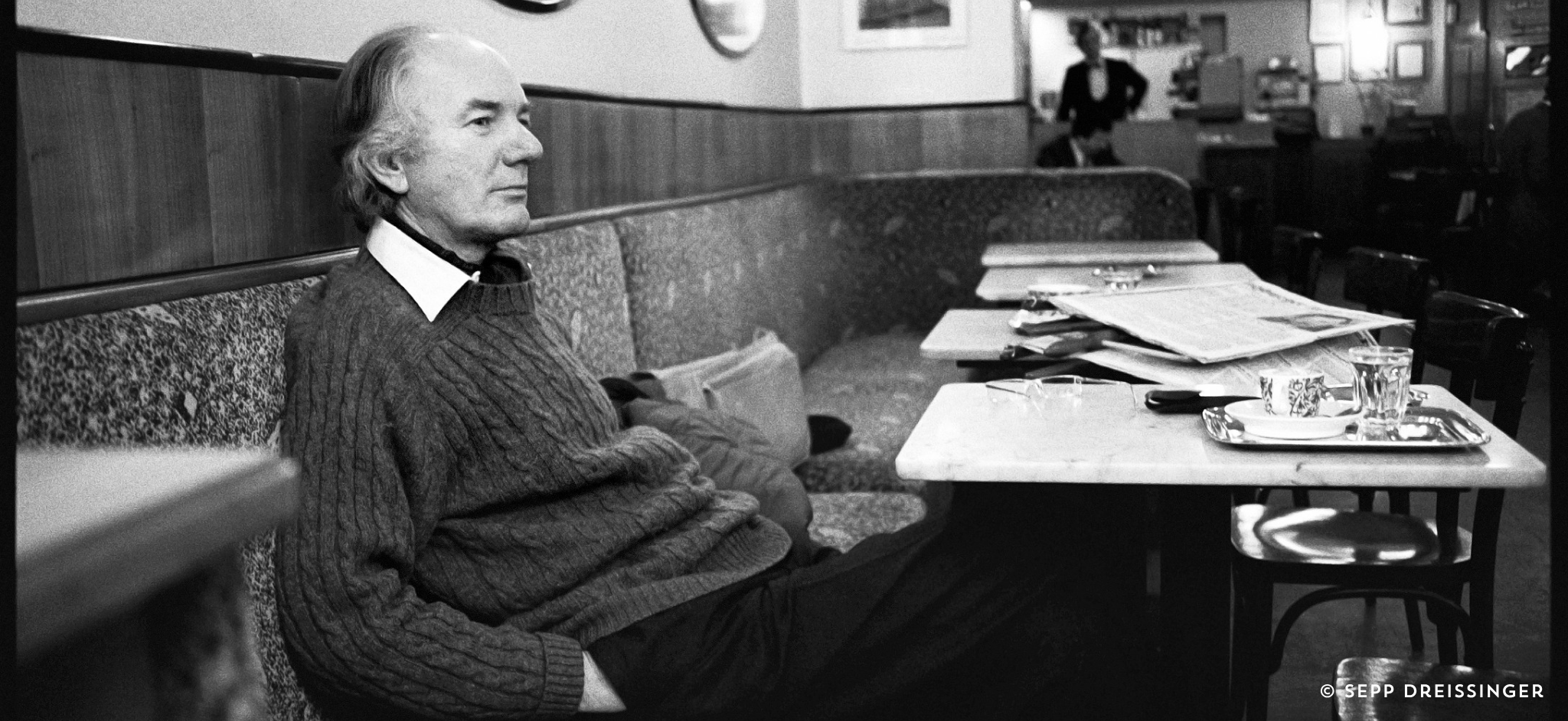
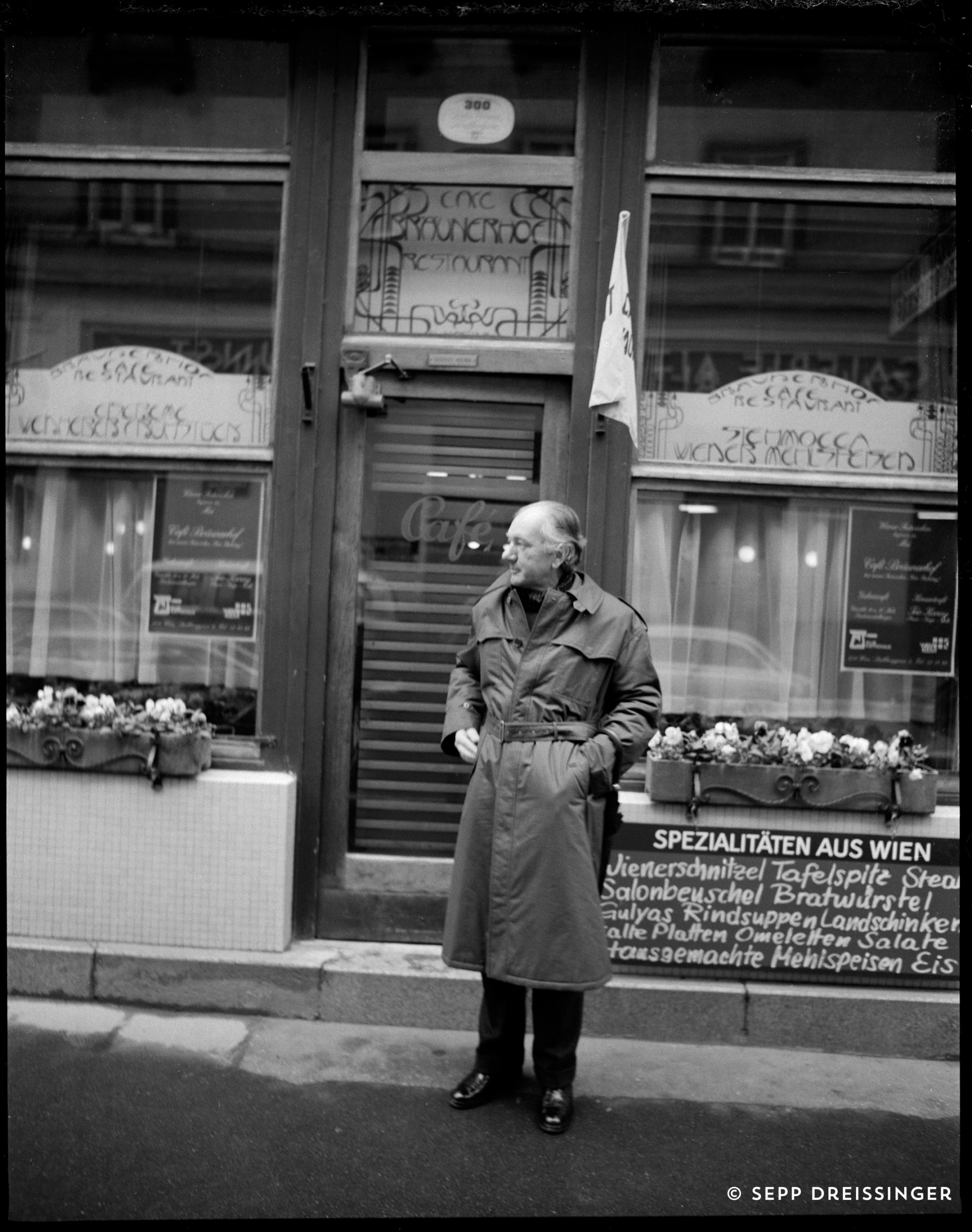
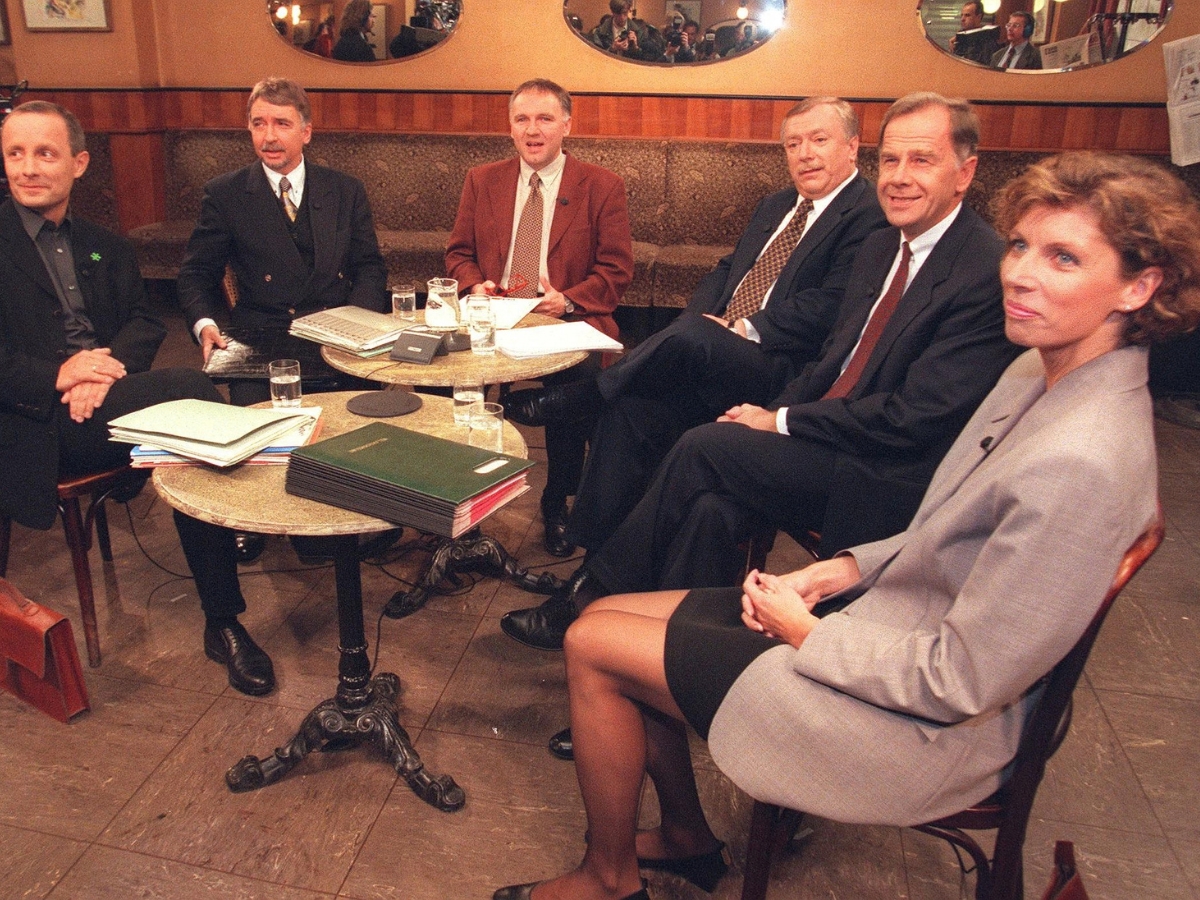
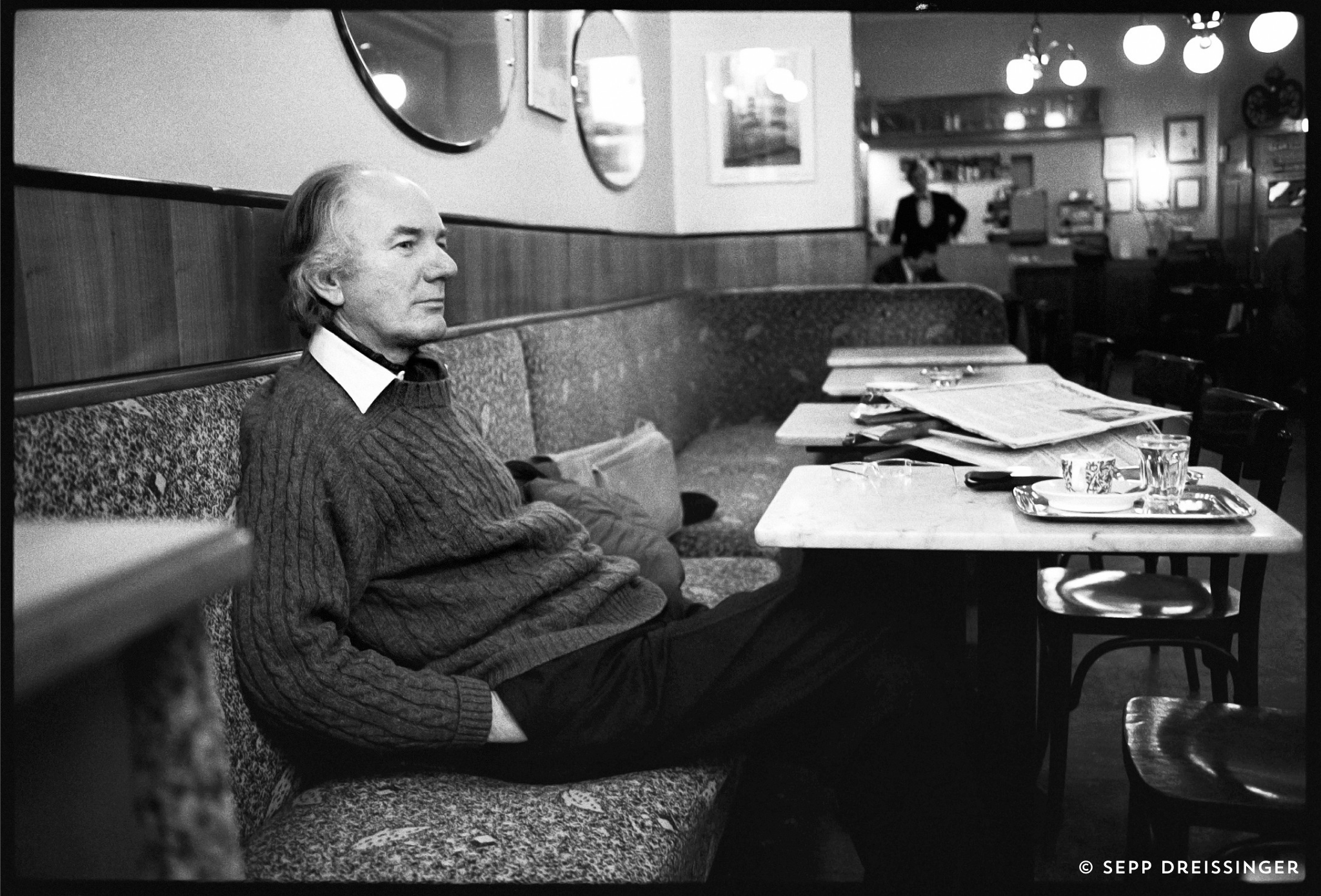
The Bräunerhof never became a politicians’ café, even if an important televised debate for the Vienna municipal election once took place here. Nor did it become a literary café, even if one of post-war Austria’s most important writers had his regular seat here: Thomas Bernhard.
THE COFFEEHOUSE-GOING AFFLICTION
… is a term coined by and very much in the style of Thomas Bernhard: — the compulsive need to seek out coffee houses. “It is enough for me to go to the coffee house now and then and watch the others talk,” he once said in an interview, playing down this particular “illness”. But it was also the Bräunerhof’s generous selection of newspapers that drew him here.
“It is hardly bearable for me to spend a single day without a newspaper.”
At times, however, the newspaper was more than a welcome provocation, a spur to contradiction and a motor for Bernhard’s writing. For a writer not exactly known for his love of mankind, it could also do what today’s mobile phone rarely manages: offer protection from unwanted greetings of every kind.
The attention and the camera lens of Sepp Dreissinger, doyen of Austrian photographic art, were thoroughly welcome, however. With his portraits of Thomas Bernhard inside and in front of Café Bräunerhof, he contributed decisively not only to the author’s public image, but also to the Bräunerhof’s reputation as the “Bernhard café.”
WITTGENSTEIN’S NEPHEW
… is a story by Thomas Bernhard in which Café Bräunerhof plays an important role. The narrator, in true Bernhard fashion, naturally finds plenty to object to.
“I have always detested the typical Viennese coffeehouse, famous the world over, because I find everything about it inimical to me. Yet for many years it was at the Bräunerhof that I felt at home…”
THE MYTH OF THE WRITERS’ CAFÉ
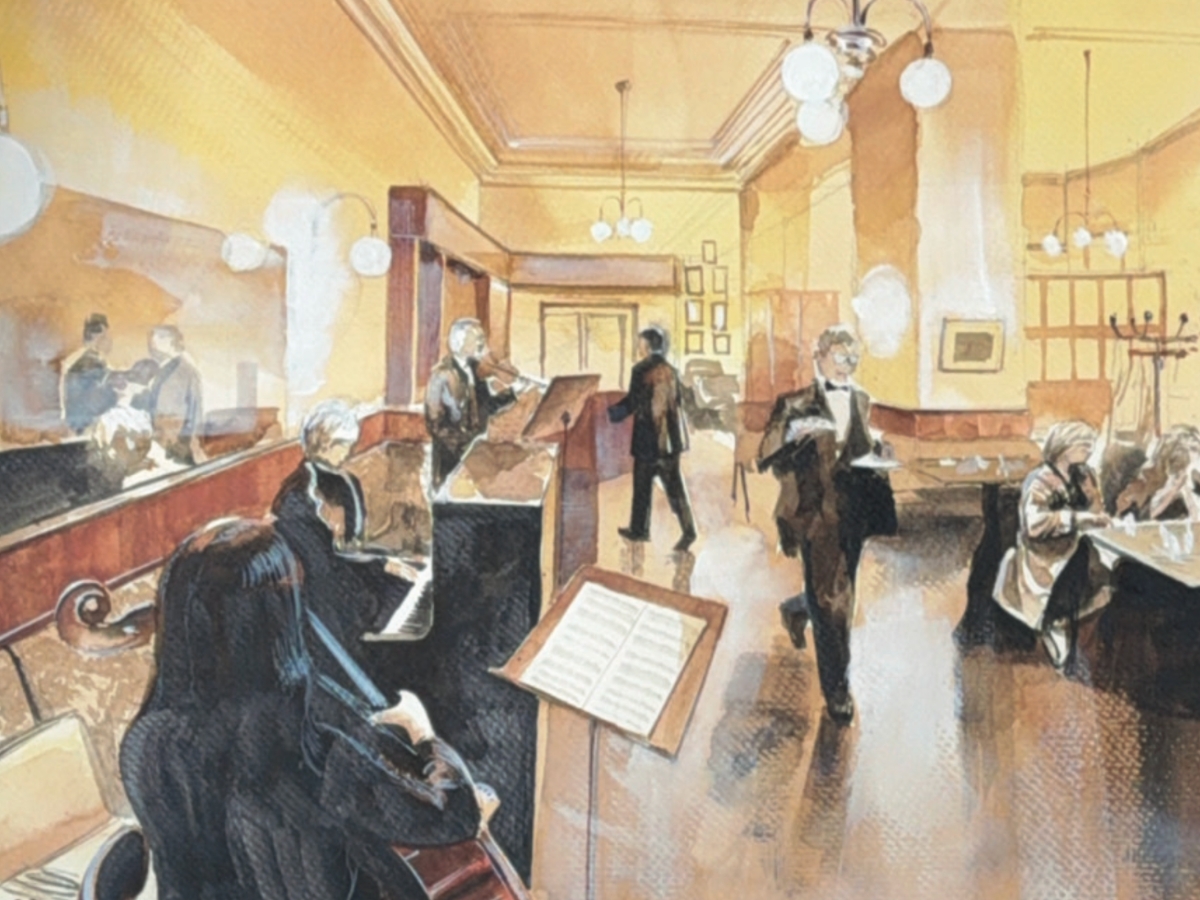
The idea that every proper Viennese coffee house must also be a literary café belongs to the same family of myths as the belief that people go there mainly to drink coffee.
What truly defines the Viennese coffee house is its atmosphere — something that even UNESCO’s recognition of Viennese coffee-house culture in 2011 could only partly capture. To paraphrase Augustine: if no one asks me what makes Café Bräunerhof what it is, I know. But the moment I try to explain it, I no longer do.
Stories about writers’ cafés settle over Vienna’s coffee-house world like the little cap of whipped cream on an Einspänner. Sit down, and you will soon be told which distinguished backsides of Viennese cultural life have occupied that very chair before you.
Here in the Bräunerhof, however, there are still a few seats left where history has yet to be written.